

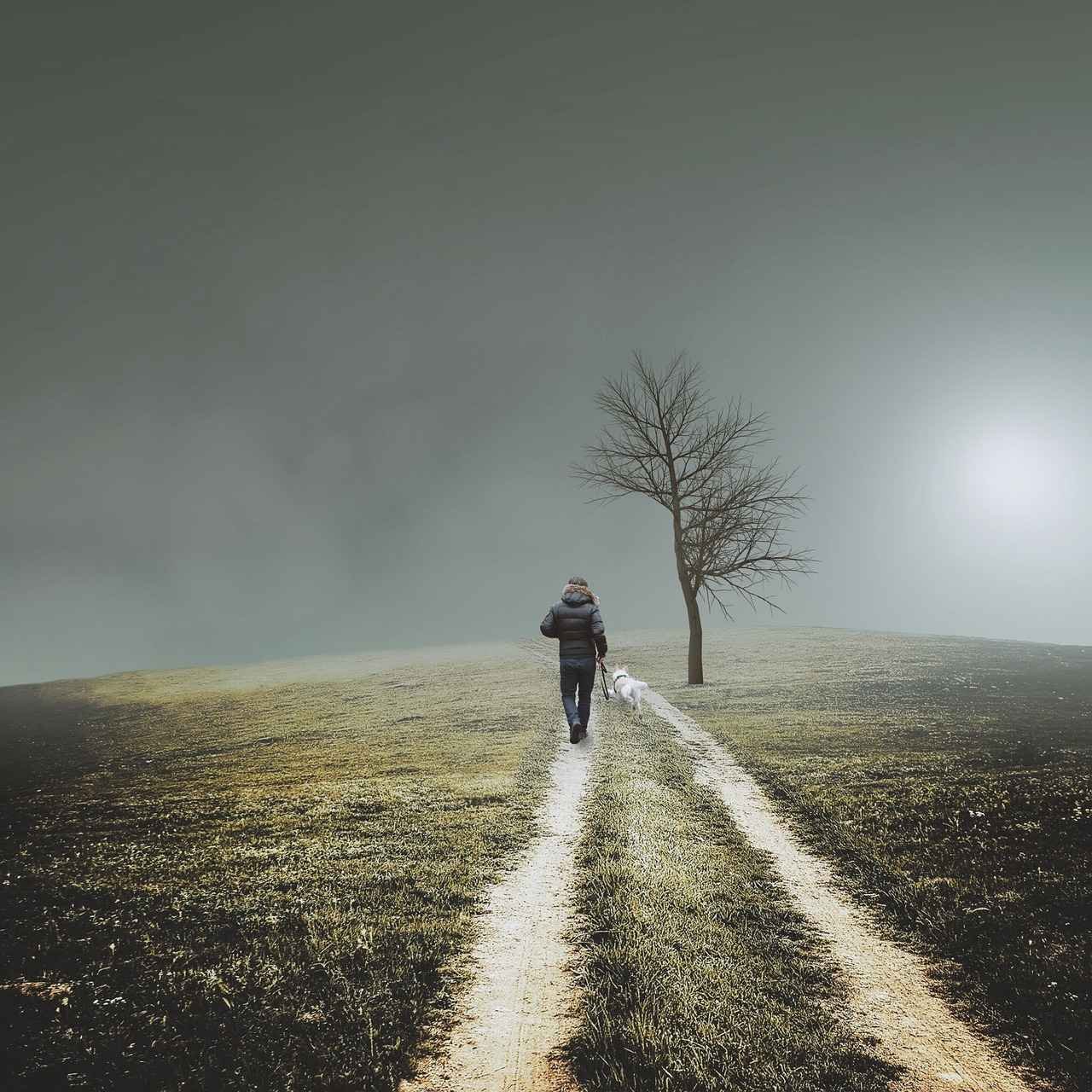
Why Nature Is the Real Therapist in Disguise
So, the other day, someone asked me why I’m so into hiking and camping. At first, I went with my standard answer—“Oh, it’s just fun to be outdoors!” But then I started thinking, maybe there’s more to it. Why do so many of us feel a million times better after a day in the woods or by a lake? Maybe it’s the fresh air, the peace and quiet, or simply getting away from screens and Wi-Fi. But more and more, people are recognizing it’s something deeper—nature actually heals us in ways we might not even realize.
For those of us who spend most of our time analyzing data or tweaking websites, it’s a great reminder that just a few hours outdoors can be like pressing the mental reset button. And here’s the kicker: there’s solid science behind it too. That’s right, turns out, Mother Nature’s been holding out on us with some serious mental health perks. If you’re curious (or just need an excuse to skip the gym for a hike), let’s dig into what this whole “nature therapy” thing is all about.
The Nature Fix: Why the Outdoors Is the Ultimate Mental Health Booster
Think of nature as a free all-you-can-heal buffet. Not only does it boost our mood, but it also reduces stress, improves focus, and can even make us feel less anxious. Ever noticed how problems feel smaller when you’re looking out over a mountain or sitting by a river? That’s nature therapy in action. Let’s break down some of the key reasons why a few hours in the wild might be all you need to feel better.
1. Fresh Air: The Brain’s Secret Fuel
We all know fresh air is good, but did you know it literally “wakes up” your brain? That morning hike or afternoon walk outside fills your lungs with oxygen, giving your brain exactly what it needs to get through the day. Plus, when you’re outside breathing clean air (as opposed to, say, the office air you’ve been recycling for eight hours), you actually feel more alert and focused.
2. The Big Mood Boost
When you’re outside, you’re not just soaking in the sun and scenery—you’re also soaking in Vitamin D, which directly impacts our mood. Low on Vitamin D? You might feel more anxious or down. Add in the fact that nature gets us moving, which releases endorphins (our body’s natural “feel good” chemicals), and it’s no wonder so many people report feeling a natural high from being outdoors. So, maybe that “hiking hangover” after a good trail session isn’t such a bad thing.
—
Nature Therapy 101: How to Start Your Own Outdoor Adventure Routine
Sure, a weekend at a spa sounds nice, but nature offers something even better: free, easy-to-access therapy whenever you need it. Let’s dive into some simple steps to get your “nature therapy” rolling. Whether you’re an outdoor pro or just dipping your toes in, there’s a nature fix for everyone.
Step 1: Start Small—Even a Walk Counts!
If you’re not ready to become a full-on backpacking guru, no worries. Start small. Take a walk in the park, explore a local nature trail, or even go sit by a pond. Studies show even 15 minutes outside can lower your stress levels. And the best part? There’s no right or wrong way to do it. Just step outside, breathe, and let nature work its magic.
Step 2: Try a “Tech Detox” While You’re Out There
Unplugging for even a short while can make your nature experience so much richer. Leave your phone in the car (unless you’re using it for safety or navigation, of course), and let yourself be fully present. This mini “tech detox” lets you reconnect with what’s around you, and before you know it, you’ll feel recharged and more in tune with your own thoughts.
Step 3: Make it a Habit
Here’s the thing—one day in nature is great, but the more consistent you are, the bigger the benefits. Pick one day a week to go for a walk, hike, or even just sit outside. Nature therapy is a marathon, not a sprint. Over time, you’ll notice subtle shifts in your mood and overall mental well-being. It’s like a mini mental health subscription, but without the monthly fee.
—
What’s the Science Behind Nature Therapy, Anyway?
Okay, you might be wondering if all of this is just a feel-good trend, but research actually backs it up. Spending time outdoors can lower cortisol (the stress hormone), reduce anxiety, and even improve cognitive function. Scientists call it “biophilia,” a fancy word for our natural urge to connect with other living things. Essentially, humans are wired to thrive outdoors.
Why Forests Are Special
If you can, try to find a wooded area for your nature therapy. Forests release compounds called phytoncides, which can help lower blood pressure and reduce stress. In Japan, they even have a term for this—shinrin-yoku, or “forest bathing.” And no, it doesn’t involve actual bathing. It’s just the idea of immersing yourself in the sights, sounds, and smells of a forest. So next time you hit the woods, consider it your official “forest bath.”
—
The Nature-Adventure Combo: How Outdoor Activities Take it Up a Notch
Not only is nature great for mental health, but throw in a little activity, and the benefits multiply. You don’t have to be a pro climber or a marathon hiker; just getting moving outside can work wonders.
Hiking: The OG of Nature Therapy
Hiking is one of the easiest and most accessible forms of nature therapy. You don’t need a ton of gear, and you can go as hard or as easy as you want. It’s like therapy on your own terms. And if you’re out hiking with friends or family, the social element brings an added mental health boost. The conversations are better, and let’s face it, food just tastes better outdoors.
Fishing: A Lesson in Patience and Relaxation
Fishing might seem like an excuse to sit and do nothing (and sometimes, it totally is). But it’s also a way to slow down, be patient, and enjoy a quieter pace. You’re focused on the line, waiting for that nibble, and it brings you into a state of mindfulness almost without realizing it.
Camping: The Ultimate Digital Detox
If you’re feeling brave, go all-in with a camping trip. It’s like nature immersion therapy. You’re eating, sleeping, and waking up surrounded by nature. And if you add in some stargazing, a cozy campfire, and maybe a few s’mores, you’ve got a recipe for mental relaxation that can’t be beaten.
—
Final Takeaway: Nature Therapy Isn’t About Being Extreme
At the end of the day, you don’t have to become an outdoor fanatic to experience the benefits of nature therapy. It’s not about summiting Everest or going off-grid for months (unless that’s your thing!). Nature therapy can be as simple as a walk around your neighborhood, a quick stop at the park, or a few hours by a lake.
So, next time you’re feeling overwhelmed or just want to shake up your routine, step outside. And remember, nature doesn’t judge. Whether you’re hiking, fishing, or just hanging out by a tree, you’re doing it right. Just breathe, be, and let the great outdoors do what it does best—remind us that life is a little more manageable than it sometimes seems.
Ready to make nature part of your routine? Start simple. This weekend, find a nearby park, take a friend, and just wander. See how you feel after. And if you’re already a nature enthusiast, go ahead and make your next adventure even more intentional.